OTOP Innovative Village Project
Ban Ten Mee
Explore “OTOP Innovative Village – Ban Ten Mi, Surin” and experience a simple yet charming local way of life.
If you’re starting to feel bored with the usual travel experiences and want to try something new,
community-based cultural tourism is becoming an increasingly appealing option—and “Ban Ten Mi, Surin Province” is one destination that perfectly fits the bill.
This community has been developed under a project by the Department of Community Development in the form of the OTOP Innovative Village initiative, which emphasizes integrating tourism into the local way of life. It is not just a tourist destination, but an “experience.”


History of Ban Ten Mee Village

Ban Ten Mi Village was named after two hunter brothers who migrated from Ban Mueang Thi. Their names were Prien Mai and Prien Ten, also known as Hunter Mi and Hunter Ten. They made a living by hunting and setting animal traps on a high hill, which is now the location of Ban Ten Mi Village.
At that time, the surrounding area was rich in natural resources, with streams and ponds that provided an abundant habitat for wildlife. Later, Hunter Mi and Hunter Ten invited their relatives to settle in the area and claim the land as their own. From then on, the village was established and initially named “Ban Prien Mi” or “Ban Hunter Mi.”
Eventually, the government officially named the village “Ban Ten Mi,” which remains its name today. The “bow” has been adopted as the symbol of Ban Ten Mi Village and Ten Mi Subdistrict.
The village leaders believed to have served over time include Kamnan In, Kamnan Tod Phisawong, Kamnan Met Tueansati, Mr. Phichit Srimala, Mr. Phisan Saithai, Mr. Sontaya Srimala, Mr. Suphan Sutlawadee, and the current village head is Mrs. Chonlathicha Samansor.

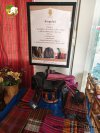
Motto of Ban Ten Mee Village
“What’s good in Ban Ten Mi?
Beautiful Sin Sabai Hol textiles, rich in local heritage,
Visit the flowing streams,
Fragrant jasmine rice,
Embracing the Sufficiency Economy philosophy.”
The Charm of Ban Ten Mee That Makes Everyone Want to Return Again
Ban Ten Mi is a small village that has preserved the identity of the southern Isan culture in its entirety.
Whether it is the language, traditions, clothing, or a way of life closely connected to nature.
What visitors will immediately feel upon arrival is the simplicity, friendliness, and warm smiles of the local people a unique charm that cannot be found in big cities.


Silk Weaving Wisdom
A Heritage of Pride
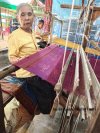
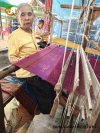
“One of the key highlights of Ban Ten Mee is silk weaving,
a traditional wisdom that has been passed down from generation to generation.”
Visitors can:
- Try weaving silk by themselves
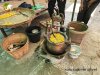
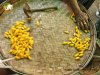
- Learn the entire process—from silk reeling and dyeing to weaving
- Purchase authentic silk directly from local artisans
The silk here has its own unique identity, with patterns and colors that beautifully reflect the culture of southern Isan.
Local Cuisine – Flavors from the Community Kitchen
Another charm not to be missed is “local cuisine,”
prepared with fresh, locally sourced ingredients.
Recommended dishes include:
- Gaeng Om (Isan-style herbal soup)
- Traditional Larb (spicy minced meat salad)
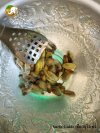
- Chili paste with fresh vegetables
- Seasonal local dishes
What makes them special is their authentic, traditional flavors—simple yet rich and well-balanced in a truly homestyle way.

Community Homestay – Experience a Slow Life Lifestyle
For those who wish to stay overnight, Ban Ten Mi offers community homestays that give visitors the opportunity to truly experience living alongside the locals.

Activities you can experience include:
- Waking up early to offer alms to monks
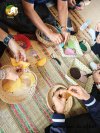
- Cooking local dishes together with your host family
- Walking around the village and rice fields
- Learning about the sufficiency way of life
This is not just a “visit and leave” kind of trip, but a chance to truly live and share experiences together.
Living Culture and Traditions
Ban Ten Mi continues to strongly preserve its customs and traditions.

Visitors may have the opportunity to experience:
- Traditional performances
- Local rituals
- Annual merit-making festivals
These reflect a cultural heritage that is still truly “alive,” not merely staged for tourism.
Sustainable Travel – More Than Just Memories
Visiting Ban Ten Mi is not only about relaxation,
but also about directly supporting the local community economy.

Income from tourism is distributed among the villagers,
helping the community develop while sustainably preserving its traditional way of life.
Service Price Summary (Ban Ten Mi Homestay)
Accommodation & Meals
Homestay (Ban Ten Mi)
- Fan room: 200 THB / person / night
- Air-conditioned room: 300 THB / person / night
️ Meals
- Breakfast: 50 THB / person
- Lunch: 100 THB / person
- Dinner: 150 THB / person
- Snacks (coffee break): 35 THB / person / time
Additional Activity Fees
- Ancestral shrine worship (Pu–Ya shrine): 500 THB
- Local cultural performance: 2,500 THB
- Bai Sri ceremony: 2,000 THB
- Flowers, incense, and candles: 500 THB
Learning Activity Fees (D-HOPE)
(Excluding meals)
- Station 1: 100–750 THB / person
- Station 2: 50–100 THB / person
- Stations 3–8: 50 THB / person
- Station 9: 50–200 THB / person
- Station 10: 50–100 THB / person

️ 1 Day Trip Program
(Ban Ten Mee, Surin)

Details
- Tour start time: 08:00 AM (Welcome and receive visitors)
Morning
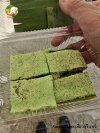
- Make 2 types of traditional desserts
- Enjoy snacks / refreshments
- Cook 1 local dish
- Lunch with the community
Afternoon
- Learn about silk weaving
- Enjoy snacks / refreshments
- Visit the temple and pay respects
Departure
- 04:00 PM – Transfer / send-off for visitors
Homestay Program at Ban Ten Mi
2 Days 1 Night – Experience Community Living
Day 1
- 08:30 – Welcome guests and village introduction
- 08:50 – Visit the ancestral shrine (Pu–Ya) for blessings
- 09:00 – Visit the temple and pay respects
- 10:00 – Learn silk weaving + refreshments
- 11:00 – Cook a local dish
- 12:00 – Lunch
- 01:00 PM – Make herbal drinks + refreshments
- 03:00 PM – Check in at the homestay
- 05:00 PM – Cycling around the community
- 06:30 PM – Dinner + cultural performance
- 09:30 PM – Rest and overnight stay

Day 2
- 06:00 AM – Offer alms to monks (merit-making)
- 07:00 AM – Breakfast
- 08:00 AM – Make traditional desserts
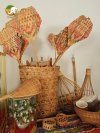
- 09:30 AM – Handicraft activities
- 10:00 AM – Refreshments
- 11:30 AM – Lunch
- 01:00 PM – Make herbal soap / herbal products
- 03:00 PM – Souvenir shopping
- 04:00 PM – Departure

Hotels in Surin City, Surin Province.


Surin Organic Rice
We carefully select the finest organic rice varieties, cultivated using sustainable organic farming methods. Our range includes Jasmine rice, Brown Jasmine rice, Pak-Ampul brown rice, Five-variety mixed rice, Surin Malinil rice, Riceberry, and Red Jasmine rice. Grown once a year in Surin Province, we pay close attention to every step of the organic farming process, following natural methods, so that our organic fields deliver healthful benefits from farm to table. Our rice is 100% organic, directly from farmers to consumers.
Our “Surin Organic Agriculture Rice” products meet the following standards:
- Organic Thailand – Thai Organic Agriculture Standard
- PGS Thailand – Participatory Guarantee System for Organic Certification
- Certified True Rice Variety – by the Rice Department, Ministry of Agriculture and Cooperatives
- Surin Best – Quality Product of Surin Province
- GI Surin Hommali Rice – Geographical Indication Certified Jasmine Rice

 MakeWebEasy