เที่ยวสุรินทร์

Elephant-Back Alms Giving Ceremony 2026, Surin Province
The Elephant-Back Alms Giving Ceremony 2026 was held on 29 July 2026 at the Phraya Surin Phakdi Si Narong Changwang Monument in Mueang Surin District, Surin Province. The ceremony featured 40 elephants carrying 75 Buddhist monks on their alms round, offering local residents and visitors a unique opportunity to make merit. This remarkable tradition is the only elephant-back alms giving ceremony in Thailand, reflecting Surin's deep cultural heritage and strong bond between people, elephants, and Buddhism.
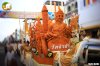
The 2026 Surin Buddhist Lent Candle Festival
The Surin Candle Festival 2026 was held on 24 July 2026 at the Phraya Surin Phakdi Si Narong Changwang Monument in Mueang Surin District, Surin Province. The event was organized to preserve and promote Buddhism, conserve the local cultural heritage, and support tourism in Surin Province.

Highlights from Surin Pride 2026 Friday, June 26, 2026 From Mueang Surin District Office to Surin Railway Station 4:00 PM – 8:00 PM
Another memorable moment for the people of Surin, celebrating a Pride Parade filled with vibrant colors, smiles, and diversity.
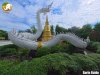
Wat Pa Thammanusorn, Samrong Thap District, Surin Province
Wat Pa Thammanusorn is a peaceful forest monastery surrounded by natural beauty, offering a serene environment for visitors seeking spiritual reflection, meditation, and Buddhist practice. The temple provides a tranquil setting for worship, listening to Dhamma teachings, making merit, and practicing meditation. Throughout the year, devotees and visitors are welcome to participate in various religious activities, including almsgiving, offering necessities to monks, and observing important Buddhist holy days.
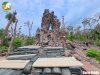
Discover the Legend of Surin's Borderland and the Timeless Beauty of Prasat Ta Kwai
Experience the beauty of Prasat Ta Kwai, a treasured historical monument standing gracefully amid the natural landscape along the border of Surin Province. Its ancient stone architecture reflects the wisdom and grandeur of the Khmer civilization of the past, while preserving stories that have endured for over a thousand years. May every photograph take you on a journey through time, revealing the charm of history and the pride of Surin's heritage.
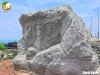
Hill 350 is an important strategic point located along the Phanom Dong Rak mountain range in Bak Dai Subdistrict, Phanom Dong Rak District, Surin Province.
Hill 350 is an important strategic point located along the Phanom Dong Rak mountain range in Bak Dai Subdistrict, Phanom Dong Rak District, Surin Province. It is situated approximately 300 meters west of Prasat Ta Khwai and is considered a high-security area where clashes have occurred along the Thai–Cambodian border.
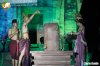
Prasat Ban Phlai is located in Ban Prasat Village, Moo 6, Chuea Phloeng Subdistrict, Prasat District, Surin Province. It is a community sanctuary
Prasat Ban Phlai is located in Ban Prasat Village, Moo 6, Chuea Phloeng Subdistrict, Prasat District, Surin Province. It is a community religious sanctuary, locally known as a “Srok.” The complex consists of three brick towers built on a laterite base, all facing east. A U-shaped moat surrounds the site, and all three towers share the same architectural layout and dimensions.
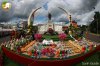
The “San Don Ta” ancestral worship tradition is held at the monument of Phraya Surin Phakdi Si Narong Changwang in Surin Province. It is an important cultural ceremony where people pay respect to their ancestors, reflect on gratitude, and preserve the spi
The “San Don Ta” tradition, held during the 10th lunar month in Surin Province, is an ancestral merit-making ceremony. The word “San” means offering or making a sacrifice, while “Don Ta” refers to making merit for grandparents and ancestors who have passed away. It reflects deep respect, gratitude, and the strong spiritual bond between families and their ancestors.
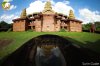
Wat Chang Mop, also known as Wat Mongkhon Kacharam, is located in Ban Chang Mop, Naeng Mut Subdistrict, Kap Choeng District, Surin Province. The temple is associated with the revered monk Luang Pho Phuan Voramangkholo and is an important spiritual center
Wat Chang Mop, also known as Wat Mongkhon Kacharam, is located near the Thai–Cambodian border in Kap Choeng District, Surin Province. The temple is home to the magnificent Phra Prang Kunchornmanee Sri Traiyot Phet and is recognized as a religious tourism destination, admired for its beautiful architecture and surrounding natural scenery.

Wat Sangkh Mongkhon in Ta Ong Subdistrict, Mueang Surin District, Surin Province, is renowned for its magnificent eco-friendly crematorium, considered one of the most beautiful pollution-free crematoriums in Thailand with its grand and stunning architectu
Wat Sangkh Mongkhon (Luang Pho Nya Silawanno) is renowned for its exquisitely beautiful crematorium, adorned in radiant golden tones throughout the structure. Surrounding the crematorium in all four directions are elegant stucco sculptures of celestial beings gracefully holding ceremonial ornaments, spears, and swords, reflecting remarkable Thai artistic craftsmanship.

The Royal Pavilion and Royal Visit Island at Rajamangala University of Technology Isan, Surin Campus, are important historical landmarks associated with royal visits and serve as peaceful cultural and educational attractions in Surin Province.
Sala Ko Sedet Prapat and Ko Sedet Prapat of King Rama IX are important historical landmarks in Surin Province. The royal pavilion commemorates the royal visit of His Majesty King Bhumibol Adulyadej (Rama IX) and Her Majesty Queen Sirikit to Surin, and remains a place of remembrance and pride for the local people.

Prasat Ta Muen Thom, also known as Prasat Ta Marn Thom, is an ancient Khmer sanctuary located at Ban Nong Khanna Samakkhi, Ta Miang Subdistrict, Phanom Dong Rak District, Surin Province. It is the largest and most important sanctuary within the Ta Muen te
Prasat Ta Muen Thom is the largest sanctuary within the Ta Muen temple complex in Ta Miang Subdistrict, Phanom Dong Rak District, Surin Province. The site is notable for its sacred Shiva Lingam carved directly from natural stone, symbolizing Lord Shiva in Hindu belief and reflecting the spiritual significance of ancient Khmer civilization.

Prasat Ta Muen Tot (also spelled Ta Muen Toch) is an ancient Khmer sanctuary located in the Phanom Dong Rak mountain range, Phanom Dong Rak District, Surin Province. The historic site is part of the Ta Muen temple complex and reflects the architectural an
Prasat Ta Muen Tot is a medium-sized Khmer sanctuary constructed from laterite stone, surrounded by enclosing walls and a small reservoir (baray). It is believed to have once served as an “Arogyasala,” an ancient hospital or healing sanctuary during the Khmer period.

Prasat Ta Muen (also spelled Prasat Ta Moen), also known as Prasat Baykriem, is an ancient Khmer sanctuary located at Chong Ta Muen pass along the Phanom Dong Rak mountain range, reflecting the historical significance of the ancient Khmer route between Th
Prasat Ta Muen Thom, Prasat Ta Muen Tot, and Prasat Ta Muen are ancient Khmer sanctuaries located at Chong Ta Muen (also known as Chong Ta Miang) in the Phanom Dong Rak mountain range, Ban Ta Miang Subdistrict, Phanom Dong Rak District, Surin Province. These historical sites reflect the architectural beauty and strategic importance of the ancient Khmer route connecting present-day Thailand and Cambodia.
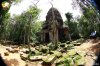
Prasat Ta Kwai, also known as Ta Kwai Stone Castle or Prasat Krobey (Buffalo Castle), is an ancient Khmer sanctuary located at Chong Ta Kwai along the Phanom Dong Rak mountain range, reflecting the rich historical and cultural heritage of the border regio
Prasat Ta Kwai, also known as Prasat Ta Wai or Ta Kwai Stone Castle, is a laterite Khmer sanctuary located in Bak Dai Subdistrict, Phanom Dong Rak District, Surin Province. The ancient temple stands to the east of Prasat Ta Muen Thom and reflects the architectural heritage of the Khmer civilization along the Phanom Dong Rak mountain range.

Tang Si Shrine, also known as Pueng Tao Gong Ma Tang Si Shrine, is a famous sacred Chinese shrine in Mueang Surin District, Surin Province. A must-visit destination for spiritual travelers and worshippers seeking blessings, good fortune, and prosperity.
Walk through the Dragon Gate at Tang Si Shrine and pray for blessings from A Gong and A Ma at Tang Si Shrine, also known as Pueng Tao Gong Ma Tang Si Shrine — one of the iconic landmarks and spiritual destinations in Surin Province.

Wat Burapharam, also known as “Wat Boun,” is an ancient temple located in the heart of Surin city and serves as an important spiritual center for the people of Surin.
Luang Pho Phra Chee at Wat Burapharam Royal Monastery and Luang Pu Dul Atulo, the revered master of the “Buddho” meditation lineage, are important spiritual symbols of Surin Province. Wat Burapharam is an ancient temple located in the heart of Mueang Surin District, Surin Province, and is one of the most respected religious sites for both locals and visitors traveling in Surin.

พิพิธภัณฑ์สถานแห่งชาติสุรินทร์ จังหวัดสุรินทร์ Surin national museum Surin จัดแสดงเรื่องราวความเป็นมาของสุรินทร์ตั้งแต่อดีตจนถึงปัจจุบัน
กรมศิลปากร พิพิธภัณฑสถานแห่งชาติ สุรินทร์ พิพิธภัณฑสถานแห่งชาติสุรินทร์ ตั้งอยู่ในอำเภอเมืองสุรินทร์ จังหวัดสุรินทร์. Surin National Museum is located in Mueang Surin District, Surin Province.

The “Preserving the Legend of Prasat Phum Pon” festival, “Phum Pon Nakhara Sanya Rak Neang Doh Thom,” is held at Prasat Phum Pon in Dom Subdistrict, Sangkha District, Surin Province. The event celebrates ancient Khmer heritage, cultural identity, and loca
A grand light, sound, and cultural performance titled “Phum Pon Nakhara: Sanya Rak Neang Doh Thom” is presented at Prasat Phum Pon, Dom Subdistrict, Sangkha District, Surin Province, showcasing the legendary Khmer heritage through an immersive artistic storytelling experience.

The Khao Sawai tradition at Phanom Sawai Forest Park, Na Bua Subdistrict, Mueang Surin District, Surin Province is a long-standing cultural and spiritual practice where locals continue to pay respect to sacred sites on Khao Sawai, preserving faith and com
The Khao Sawai tradition at Lerk Phanom Sawai, held annually on the first day of the waxing moon in the 5th lunar month, is a sacred pilgrimage where people pay respect to the sacred sites on Khao Sawai. Devotees worship Phra Phuttha Surin Mongkhon and pay homage to the stupa of Luang Pu Dul Atulo to bring blessings and good fortune to life.

The Surin Elephant Parade is part of the grand opening ceremony of the Amazing Surin Elephant Festival, featuring beautifully decorated elephants and a spectacular procession that showcases Surin’s world-famous elephant heritage and cultural pride.
The opening parade of the “Amazing Surin Elephant Festival” features a grand elephant procession alongside ethnic cultural parades of Surin. Visitors can experience the spectacular celebration, showcasing the diversity, traditions, and elephant heritage of Surin Province.

The Surin Elephant Feeding Ceremony features a “Chinese-style elephant banquet,” welcoming and feeding elephants as part of the Surin Elephant Festival. Visitors can also enjoy the procession of food trucks preparing meals for the elephants, highlighting
The grand elephant welcoming and feeding event in Surin is considered one of the world’s largest elephant-feeding activities. It features a majestic elephant parade entering the city, a large procession of food trucks prepared for elephants, and traditional Kuy ethnic elephant-handling practices, reflecting the deep cultural bond between people and elephants in Surin.

A “People and Elephant Lifestyle Tourism Package” in Surin, offering an immersive experience with the Kuy-Ajeang elephant caretaking tradition at the Elephant Village, Krapho Subdistrict, Tha Tum District, Surin Province. Visitors can learn about the clos
Experience Surin’s spiritual and cultural elephant lifestyle: paying respect to Phra Kru Pakam, observing elephants eating medicinal food and receiving health and emotional check-ups, walking under elephants for good fortune, riding a local tractor cart to explore Kuy villages, seeing elephants tied near traditional wooden houses, and enjoying the charming “elephant fan club” culture.

Elephant-Back Wedding Ceremony and Elephant-Back Marriage Registration at the Elephant World Project and Elephant Study Center, Tha Tum District, Surin Province – a unique cultural celebration reflecting the deep bond between the people of Surin and their
The Surin elephant-back wedding ceremony reflects the Kuy ethnic marriage tradition known as “Sat Te.” It symbolizes love, dignity, and grandeur through the symbolic presentation of the marriage certificate on the back of an elephant, highlighting the deep cultural identity of Surin’s elephant community.
Powered By
 MakeWebEasy
MakeWebEasy